How logo projection works for company branding
A company logo appears when a gobo projector shines light through a patterned insert and casts the image onto a surface. For gobo projection for company branding, aim the projector at the surface at 90 degrees to produce a sharp, evenly focused logo. The image’s clarity also depends on the surface and the available light.
A projected logo can make an entrance, wall or display easier to recognise without adding a physical sign. With gobo projection for company branding, placement affects how the image looks, while the gobo determines what the projector displays.
This guide explains how a projector and gobo work together, and how businesses use logo projections in hospitality, retail and corporate settings. You’ll learn what affects visibility, how colour and positioning shape the result, and how projection can fit into a wider branded environment.
Table of Contents
1. How does logo projection work?
A gobo projector shines light through a custom image insert, then focuses that image onto a surface. Aim it at 90 degrees for a sharp, evenly focused projection. Modern logo projectors often use LED technology, which provides bright, energy-efficient lighting for indoor and outdoor signs or event spaces.
A custom gobo carries the design. For a crisp result, use high-contrast artwork with clear shapes: fine details can be difficult to see from a distance. Vector artwork, such as an SVG, AI or EPS file, is a practical starting point. The gobo maker’s template and production method determine the final artwork requirements.
Changing a projected logo may require updating part of the projection setup. A fixed logo can suit a storefront or venue entrance, while sponsor rotations need a plan for swapping designs. Digital projection can change images electronically for a dynamic sponsor display; a gobo produces a fixed image, while an LED sign displays content on a screen.
Indoor recessed logo projection can integrate a projector into a ceiling or floor, keeping the unit less prominent. For sponsor logos at events, position each image where guests naturally look, such as an entry wall or a surface beside the stage.
For outdoor use, match the projector’s power supply to the available supply and choose equipment suited to the exposure. Secure mounting, protected cable routing and a beam kept away from eye level help manage practical safety. Ambient light, projection distance and surface colour also affect visibility.
Budget for the projector, custom gobo or lens, mounting, power access and installation. Costs vary with brightness, distance, colour and whether the setup is fixed or event-based. In New Zealand, businesses can source equipment and custom gobos through specialist lighting suppliers or AV production providers. Event hire may suit temporary sponsor displays.
2. Applications in hospitality, retail and corporate settings
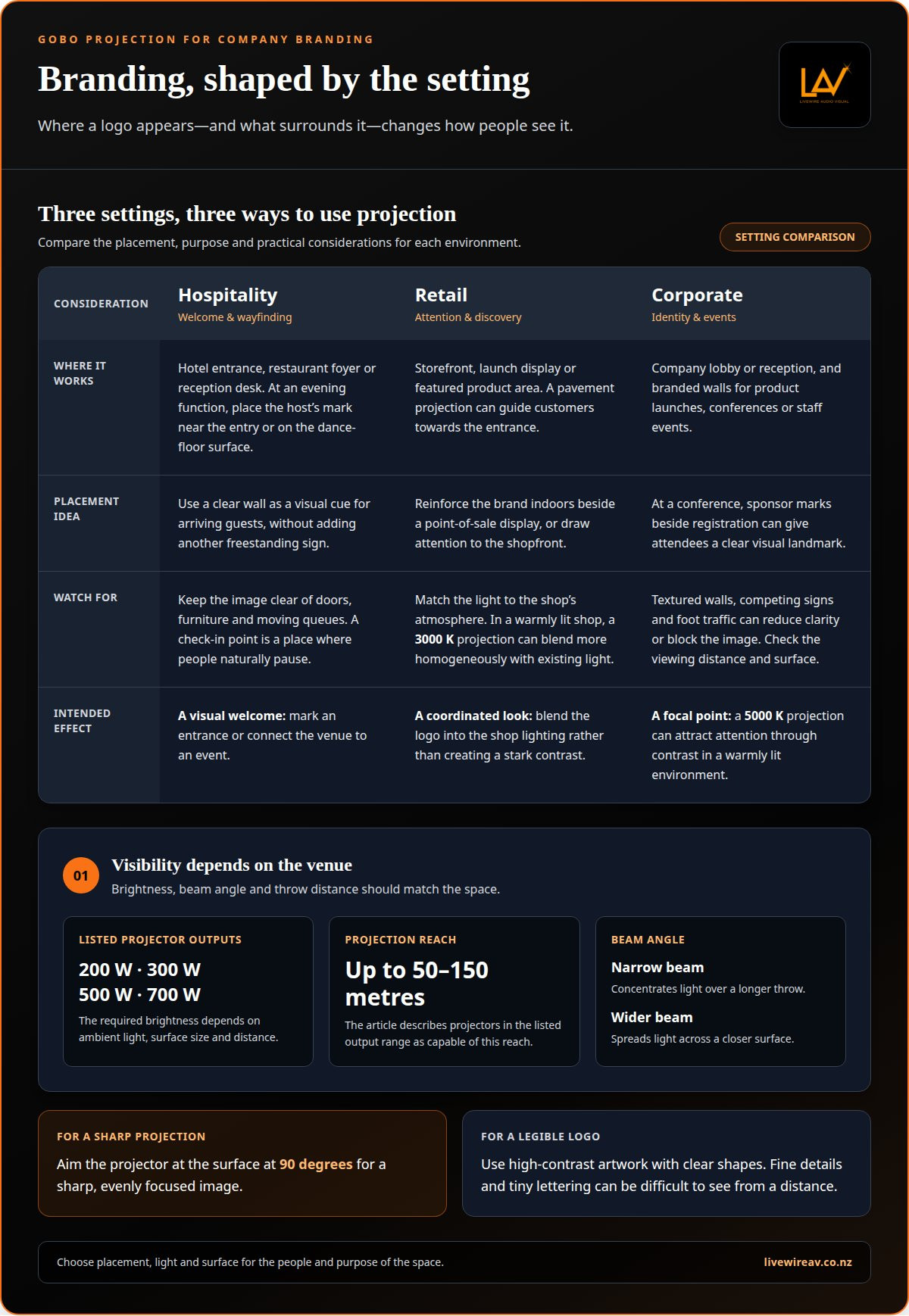
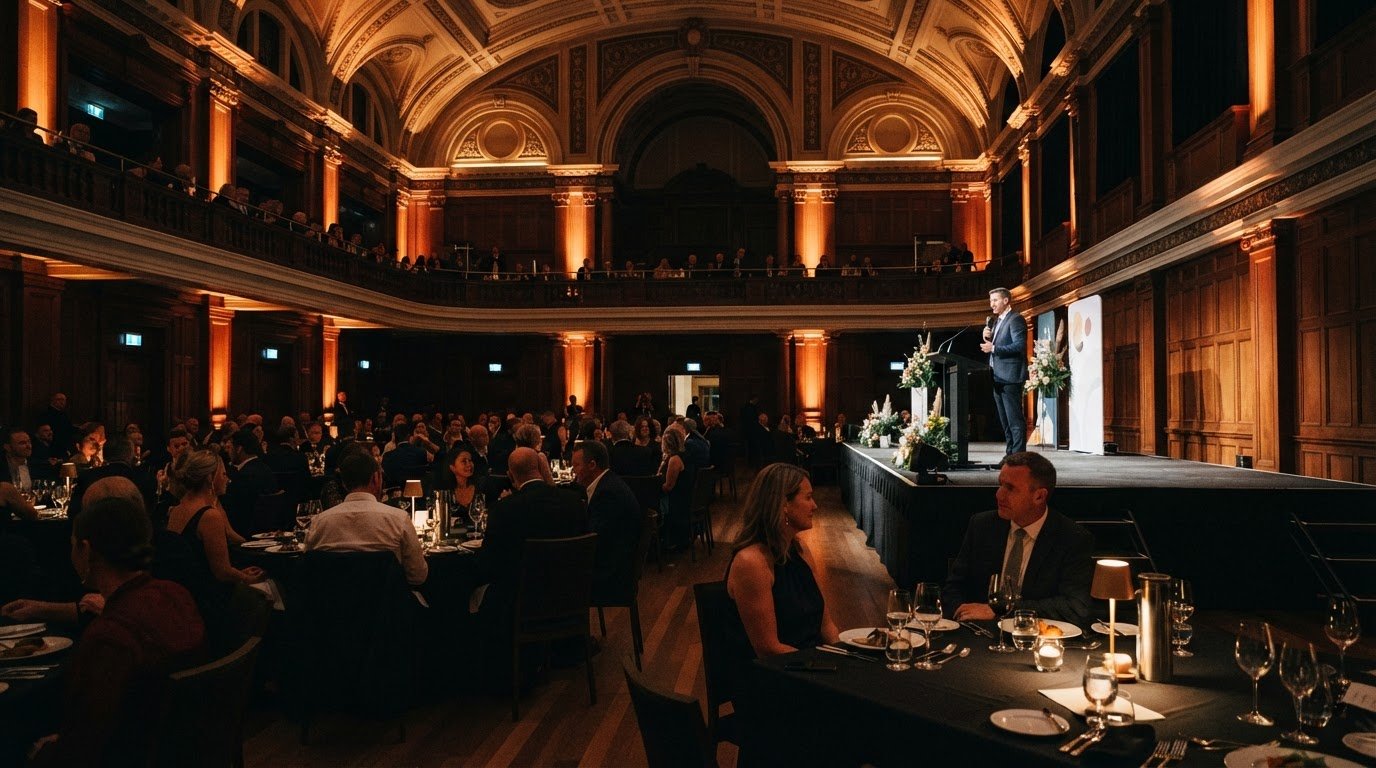
In hospitality, a projected logo can mark a hotel entrance, restaurant foyer or reception desk. Placing the image on a clear wall gives arriving guests a visual cue without adding another freestanding sign. At an evening function, a venue can project the host’s mark near the entry or onto a dance-floor surface, tying the branding to the event.
Retail settings use projections to draw attention to a storefront, launch display or featured product area. A logo on the pavement can guide customers towards an entrance, while an indoor image can reinforce the brand beside a point-of-sale display. In a warmly lit shop, a 3000 K projection can blend more homogeneously with existing light, creating a coordinated look rather than a stark contrast.
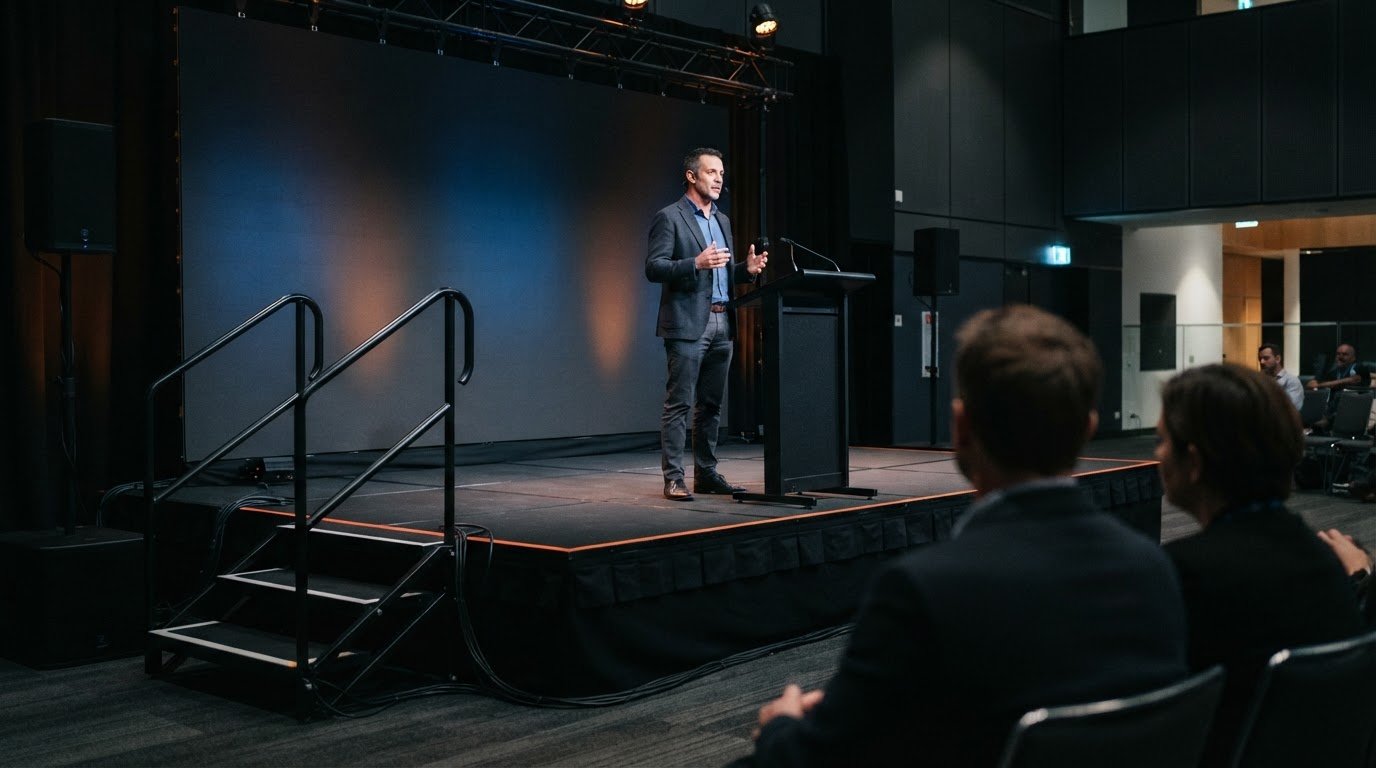
Corporate environments offer other opportunities. A lobby projection can identify a company’s reception area, while a branded wall can frame a product launch, conference or staff event. At a conference, sponsor marks beside the registration desk can give attendees a clear visual landmark. For commercial venues and property professionals showcasing these spaces, partnering with visual media specialists like Framework Creative helps document the branded environment across marketing campaigns. Consider the projection surface and viewing distance: textured walls, competing signs and foot traffic can reduce clarity or block the image.
Brightness, beam angle and throw distance should match the venue. Projectors described at 200 W, 300 W, 500 W or 700 W can project up to 50-150 metres. Ambient light, surface size and distance affect the brightness needed; a narrow beam concentrates light over a longer throw, while a wider beam spreads it across a closer surface.
For a memorable result, place the logo where people naturally pause, such as at a hotel check-in point or retail entrance. Keep it clear of doors, furniture and moving queues. Outdoor advertising on a public-facing surface may require local authority permission. The location and visibility of the projection determine the practical considerations.
3. Brand visibility, versatility and customisation
A projected logo adds a controlled visual layer to a venue, using light rather than another printed sign. It can appear on a wall, floor or architectural feature, reinforcing a business’s identity without changing the physical surface. For example, a simple emblem near a reception desk can identify the space while leaving the surrounding décor visible.
Colour affects how the image reads. Glass gobos can display more than one colour, which allows a company mark to retain key brand colours. In a warmly lit environment, a 5000 K projection can attract attention through contrast. The choice depends on the intended effect: blend the logo with existing lighting, or make it stand apart as a focal point.
Customisation also means choosing what to project and how long the design needs to last. A short-term event message may suit a film gobo, whose stated lifespan ranges from a few hours to a week. Metal or glass gobos can last for years, making them more suitable for a recurring venue identity. A restaurant might use a lasting logo while changing temporary event graphics separately.
Before production, simplify the design for the projection surface. Strong outlines and open spaces help keep the image legible, while tiny lettering and fine details can merge when viewed from across a room. A single-colour logo may be clearer than a detailed version in a busy setting. This is especially useful when projecting a logo onto a textured wall or a floor crossed by moving guests.
Lighting design can support the image without overwhelming it. Use ambient light that keeps the surrounding area usable, then draw attention to the logo through contrast and placement. A consistent mark across a storefront, event entrance and corporate reception creates recognisable signage, while a tailored message can make each setting feel relevant. For businesses developing cohesive visual assets across both physical and digital touchpoints, specialist branding agencies such as Senses Group help craft memorable identities that translate cleanly into ambient displays. The result is versatile branding shaped by the venue, surface and audience.
4. How gobo projectors display company logos
A gobo projector sends light through a patterned insert, then its lens forms the image on a chosen surface. The insert blocks parts of the beam to create the logo’s shapes and lettering. This optical process turns a flat custom gobo into a display on walls, floors or architectural features.
Alignment determines whether the result looks intentional. Position the projector so its beam reaches the target area, then adjust focus until the logo’s edges look defined. Aiming directly at the surface reduces keystoning, where an oblique angle stretches the image into a trapezoid. This matters when projecting a logo onto a lobby wall or event backdrop to catch attention.
The surface changes how the projected image reads. A smooth, pale wall gives a company mark clearer edges than a dark, textured surface. Position floor projections away from furniture, doorways and frequent foot traffic. At corporate events, a logo beside registration can help guests identify the entry point without competing with stage content.
Light levels affect visibility. Outdoors, a projection is generally visible from dusk, unless it falls in a shady area. In bright daytime conditions, ambient light can wash out the image. In New Zealand, projecting logos in public spaces often requires permission or permits from local authorities. The location and surface help determine which permissions apply.
Gobo projection works best when one fixed image needs to appear on a specific surface. Digital projection is better suited to changing messages or sequences, while an LED sign presents content on a screen. This distinction helps businesses choose a display method suited to the space, branding and event running order.
For event spaces that pair a logo display with screen visuals, explore event projection options to plan a coordinated setup.
LivewireAV: LED Walls & Projection
LivewireAV’s LED Walls & Projection can support a coordinated visual plan when a projected logo sits alongside screens or other event content. For a conference, product launch or corporate gathering, planning these elements together helps keep the brand visible without making each display feel disconnected.
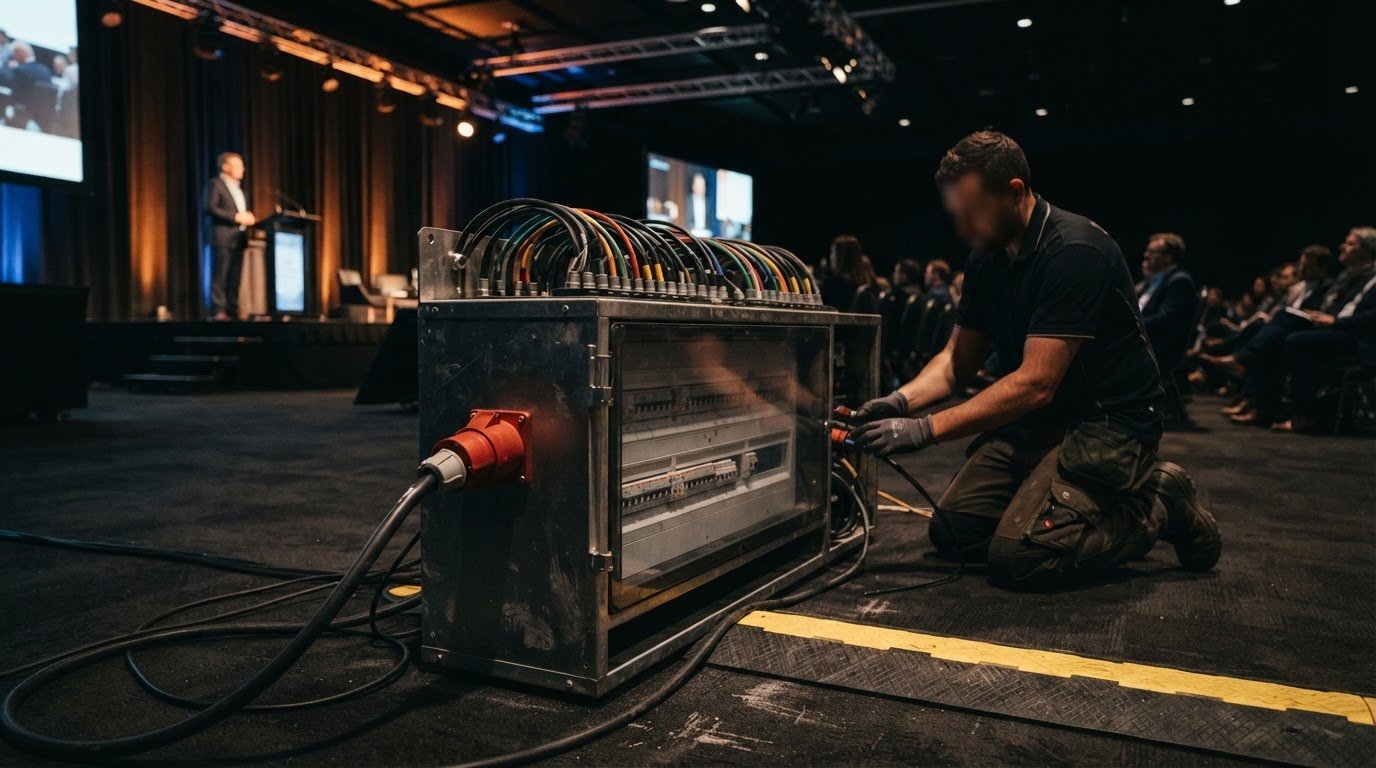
Turn to LivewireAV when your event needs more than a logo on one surface. Full Technical Production brings the wider technical requirements into the same plan, while Hybrid & Livestream Events can incorporate visual content for in-person and remote audiences. The right setup depends on the venue, audience sightlines and how the logo projection fits the event programme.
If you’re planning branded visuals for an upcoming event, contact LivewireAV to discuss the production requirements.
Plan your next branded experience
Make the projection part of the event plan, not an afterthought. For gobo projection for company branding, decide what the logo needs to do in the space: welcome guests, mark a key area or support the event’s wider visual identity. That purpose can guide placement and how the projection works alongside other event content.
LivewireAV can coordinate the wider production through LED Walls & Projection, Full Technical Production and Hybrid & Livestream Events. This is useful when a branded visual needs to sit within a broader programme rather than appear as a standalone feature. Clear planning helps align the venue, audience experience and visual setup.
Share your event goals and venue details with the team to discuss a suitable production approach. Contact LivewireAV about logo projection and take the next step towards a considered, cohesive event experience.
Frequently Asked Questions
How does logo projection work?
A logo projection uses a projector and a logo-bearing gobo to cast a branded image onto a chosen surface. First decide where guests should see the mark, then test its size and focus under the venue’s actual lighting. A reception wall, for example, may need a different image scale from a compact display area.
Glass, metal, or film gobo?
Choose the material to suit the artwork and how often the design will change. Glass gobos can show more than one colour, making them useful when colour is central to the logo. Metal suits designs that can be represented with cut-out shapes. Film can suit temporary graphics, such as a one-off event message or campaign mark.
What is a Gobo Projector?
A gobo projector is a lighting device that displays an image, pattern, logo or text on a surface. In a business setting, it can place a visual mark on a wall or floor without using a conventional screen. The gobo holds the image, while the projector’s optics direct and focus the light where the display is needed.
What is gobo projection for company branding?
Gobo projection for company branding means using a projected logo or brand graphic as part of a business environment or event. It can identify a venue space, frame a product presentation or give a reception area a distinct visual marker. The approach works best when the image suits the setting and remains easy to recognise.
How does a logo gobo projector work?
A logo gobo projector places a custom image in the light path and uses its lens to form the image on a surface. The design stays fixed unless the gobo or lens is changed. For a presentation, this gives organisers a consistent logo position throughout the programme, while digital content is better suited to visuals that need frequent updates.
How much does a custom company logo gobo and projector cost in New Zealand?
The total price depends on the equipment and design requirements, and is provided after a quote request. Cost factors include the projector’s brightness, gobo material and colour requirements, mounting, power access, installation, and whether the setup is for a fixed location or temporary event. These details shape the equipment and production approach needed for the project.
Comments